


Custom mattress design and sales in Montpon-Ménestérol
The specialist in standard mattresses
or made-to-measure since 1946
Frequently asked questions about changing your mattress
When should I change my mattress?
* How old is my mattress?
The golden rule is often 8 to 10 years. Even if it looks clean, the internal components begin to sag and lose their support.
* Do I wake up with pain?
If you have back pain when you get out of bed, your mattress is probably the culprit.
* Can I feel my partner's movements?
A loss of sleeping independence is a sign of advanced wear and tear.

The Technical Choice: Which technology is right for me?
Comfort: Firm or Soft?
This is where most people hesitate.
The answer depends on your sleeping position:
* On the back: Firm support is needed to keep the spine aligned.
* On the side: A soft reception is preferable to allow the shoulder and hip to sink in.
* On your stomach: A firm mattress with a soft or even enveloping feel is essential to prevent your back from arching too much (the "hammock" effect).
What about the bed base in all of this?
A new mattress on an old bed base wears out 50% faster, especially if it has flexible slats. These are glued-together slats made of fir (spruce); the durability of this type of bed base varies depending on use, but for everyday sleeping, it doesn't exceed 6 years for sleepers with a standard weight of less than 80 kg.
A LITTLE EXTRA TIP
People often confuse "welcome" and "support".
* The initial feel is the sensation when you sit down or press your hands on the mattress (the main initial feel, with the fabric often being soft and padded).
* Support is the sensation we feel once we are lying down; i.e., the way your body is held (which is completely different when sitting and when lying down)
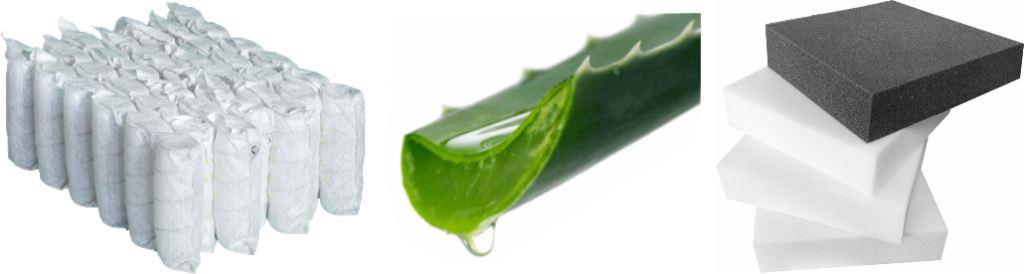
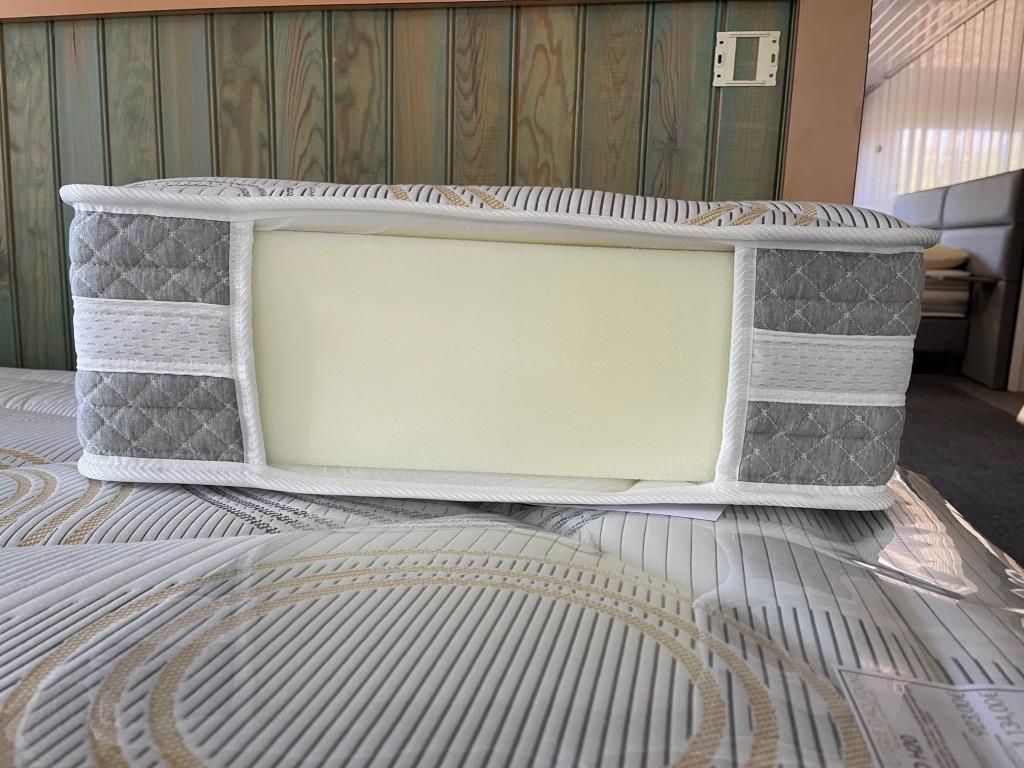
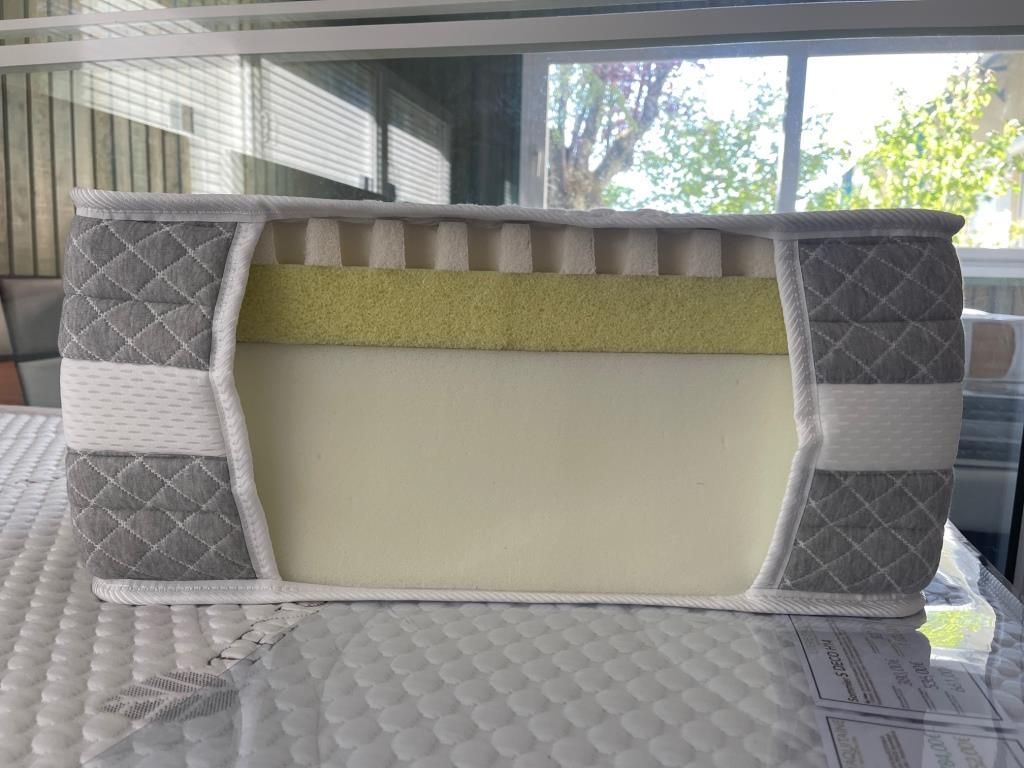
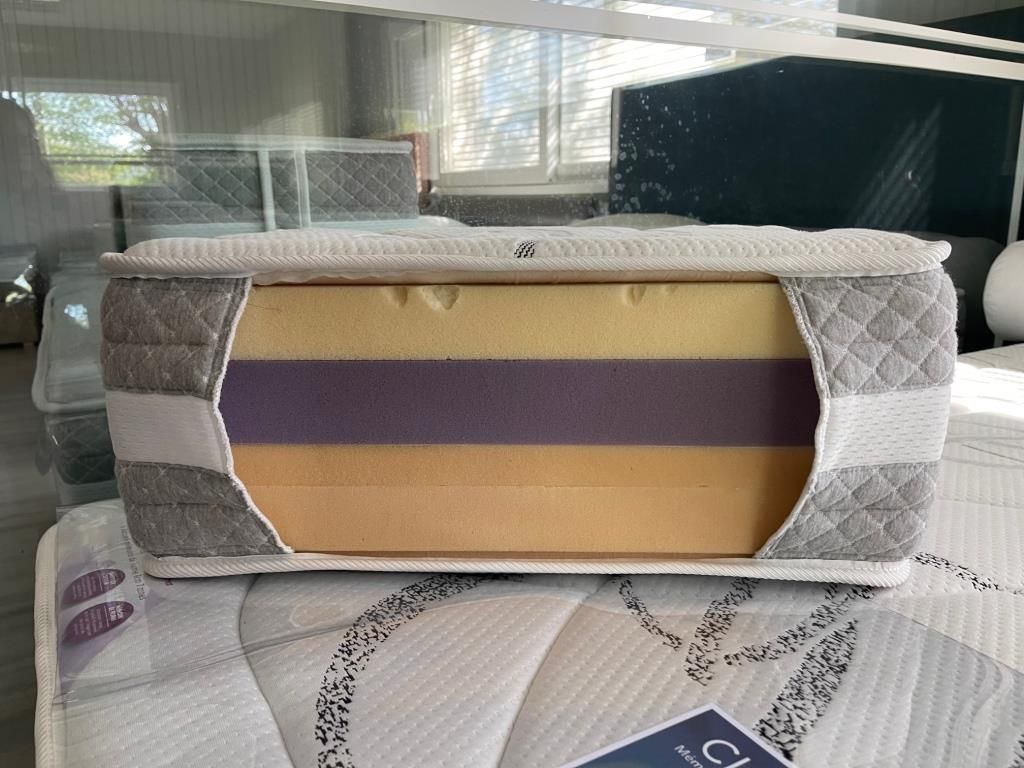
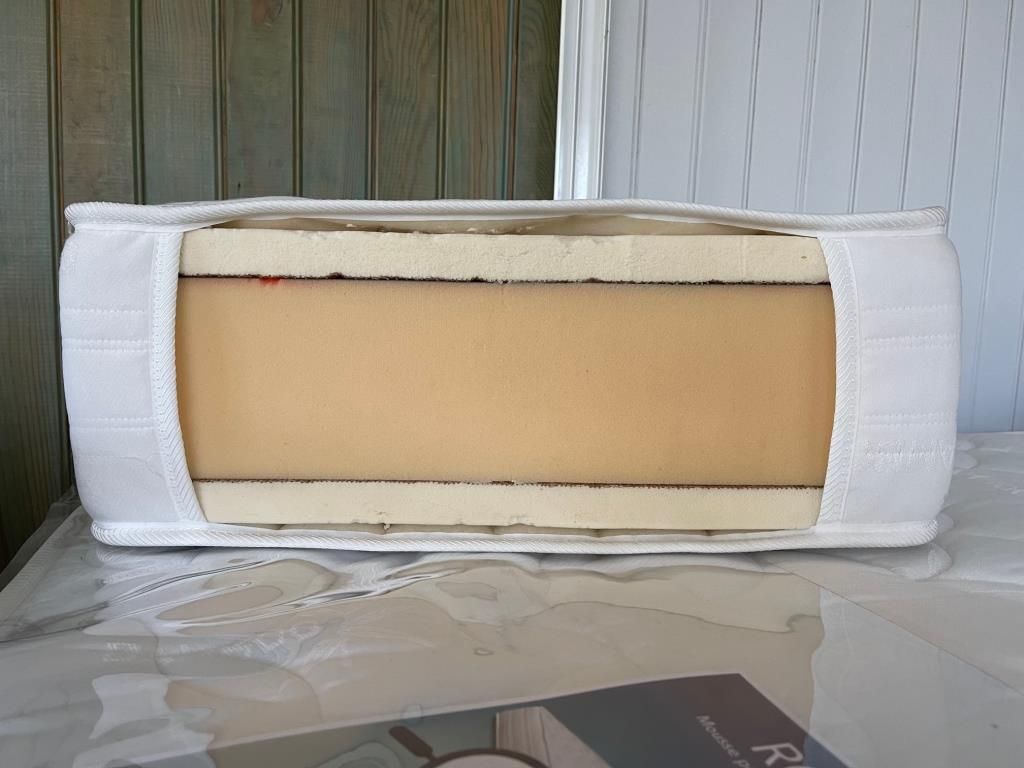
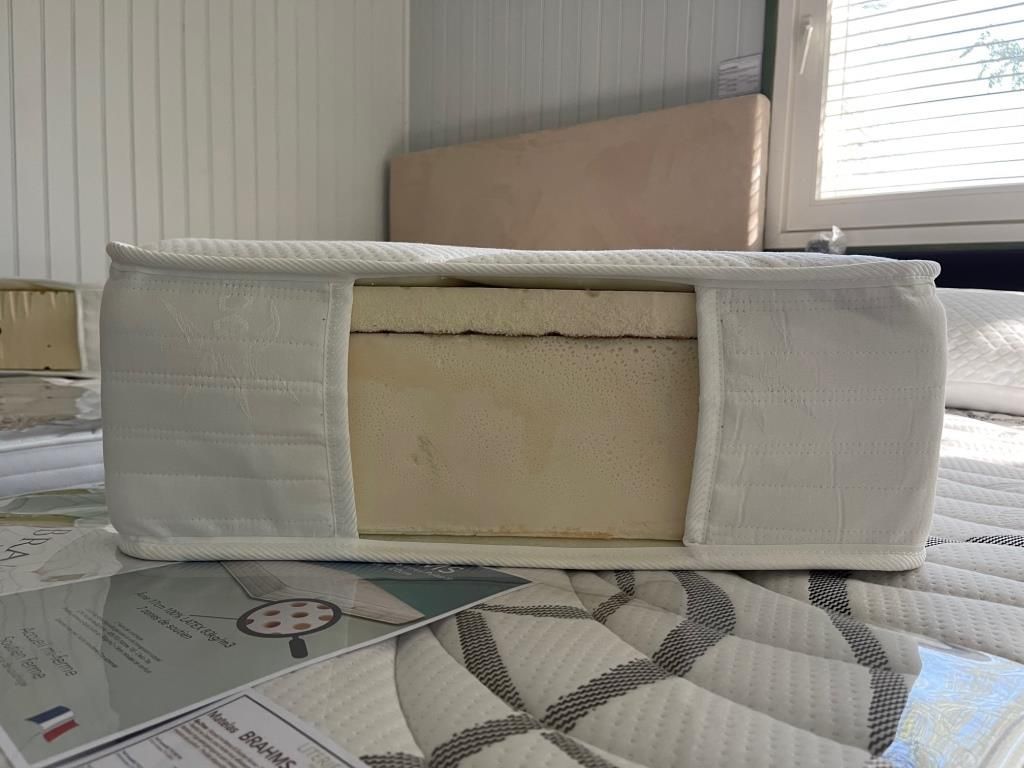
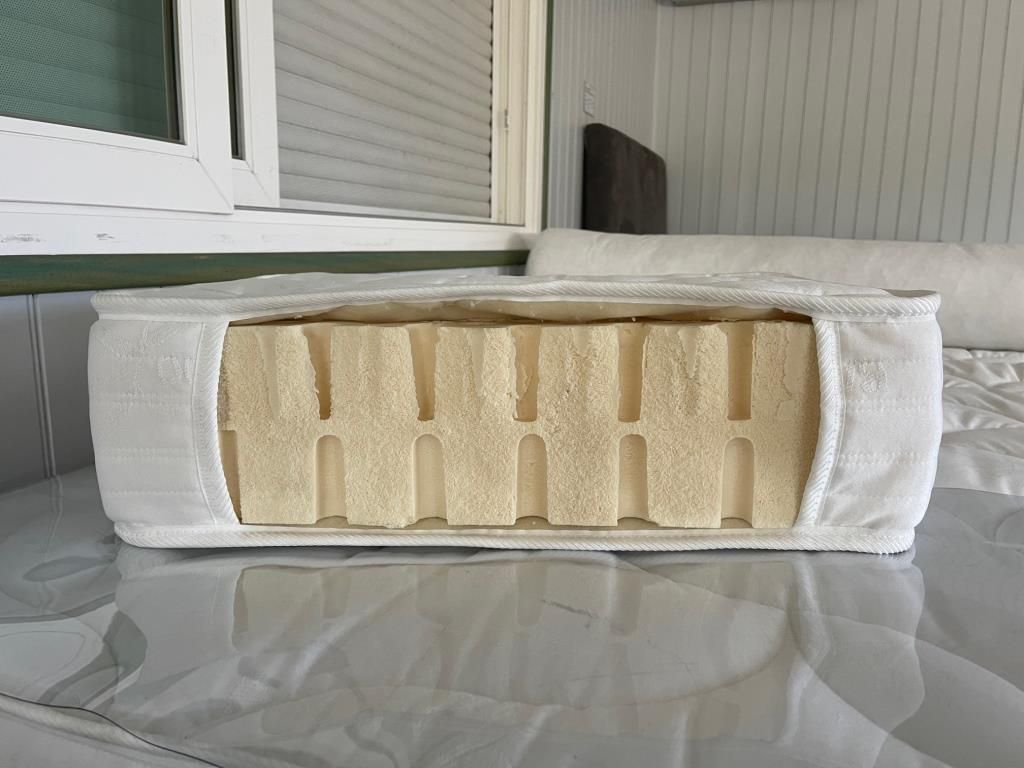
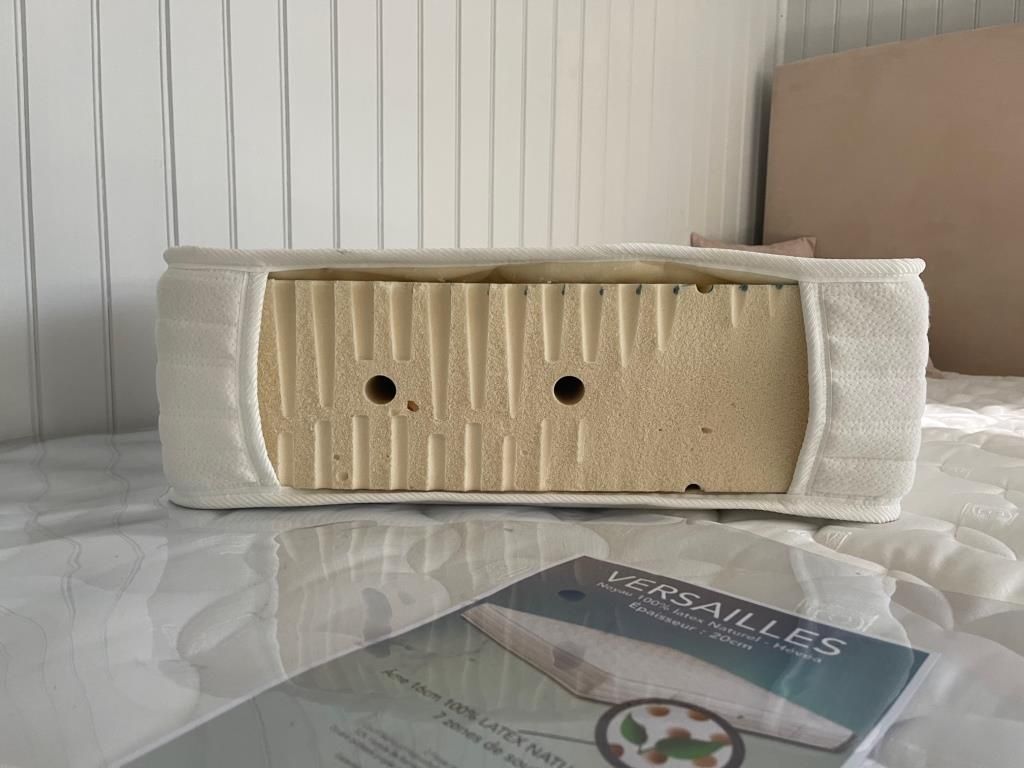
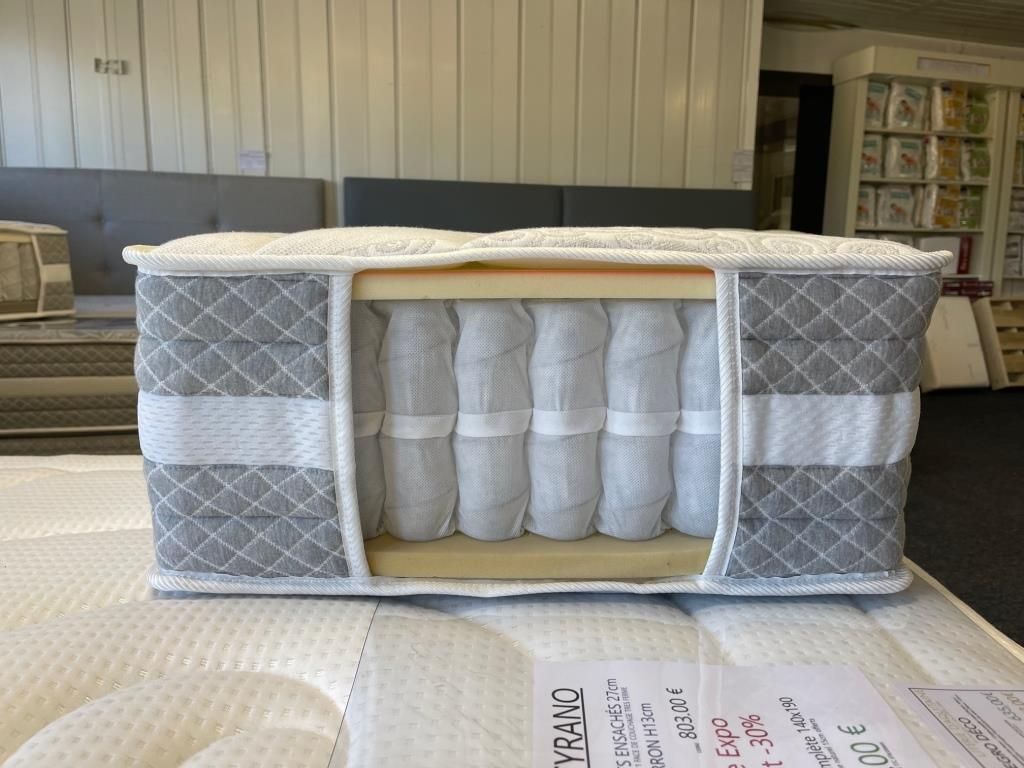
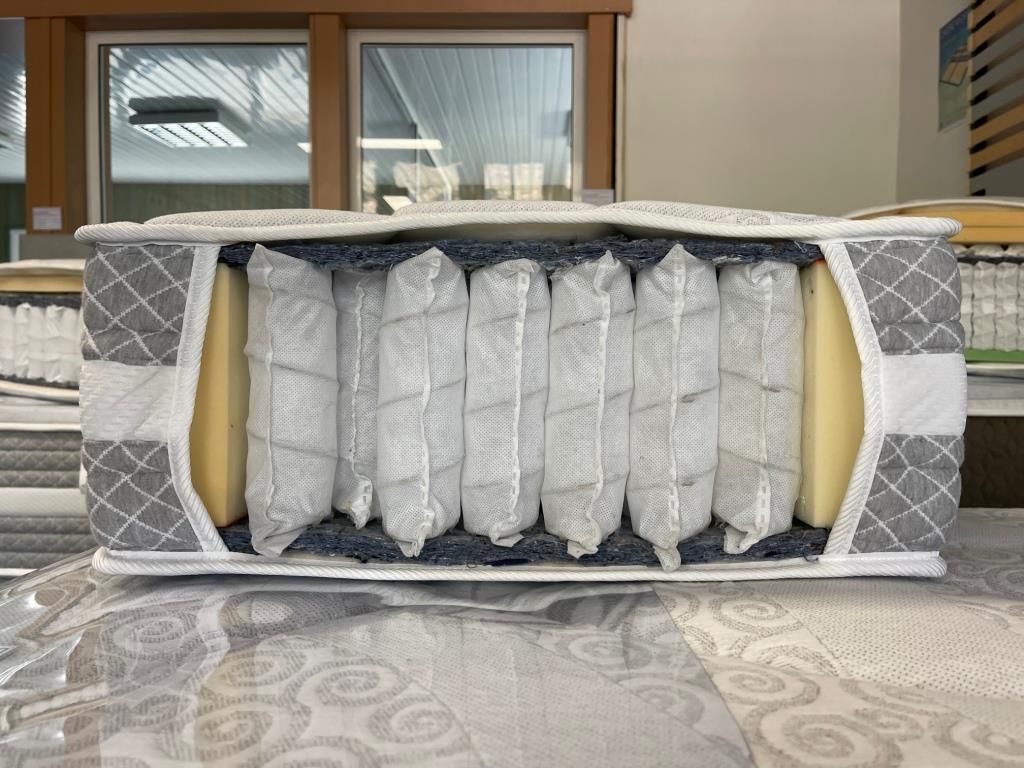
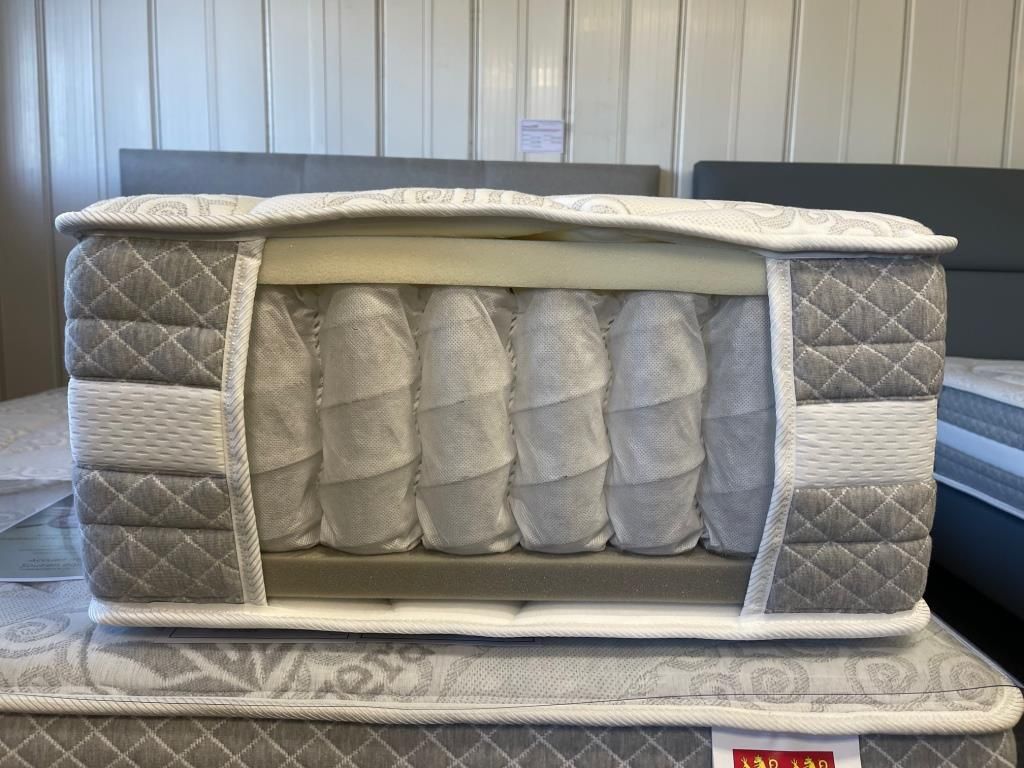
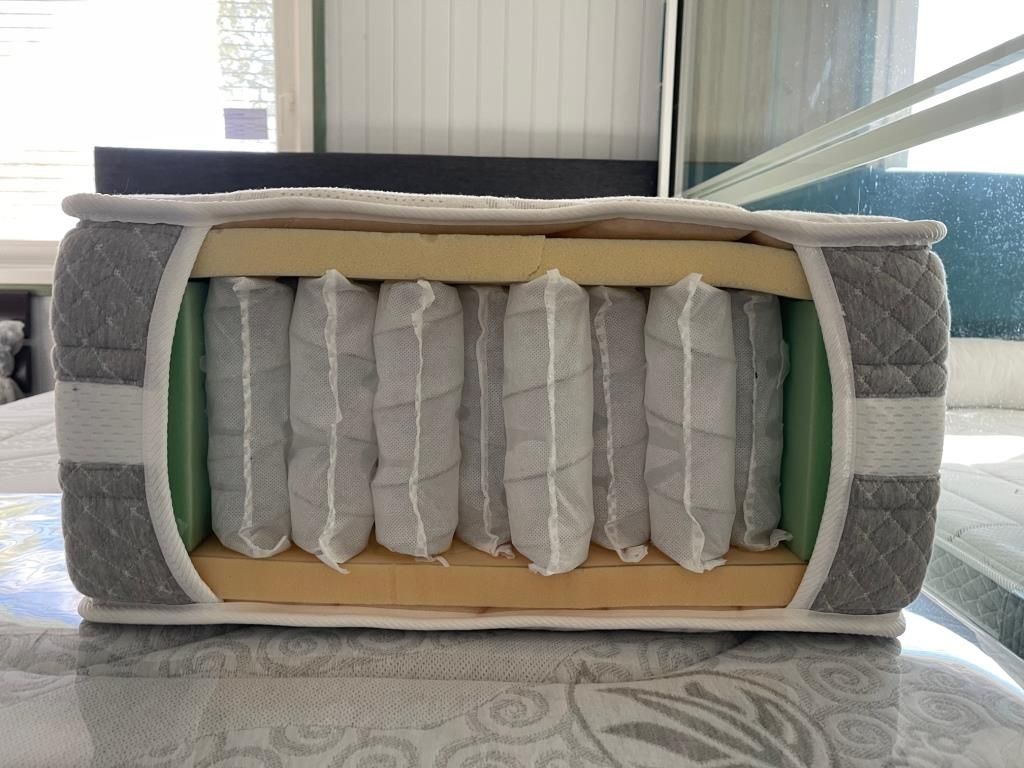
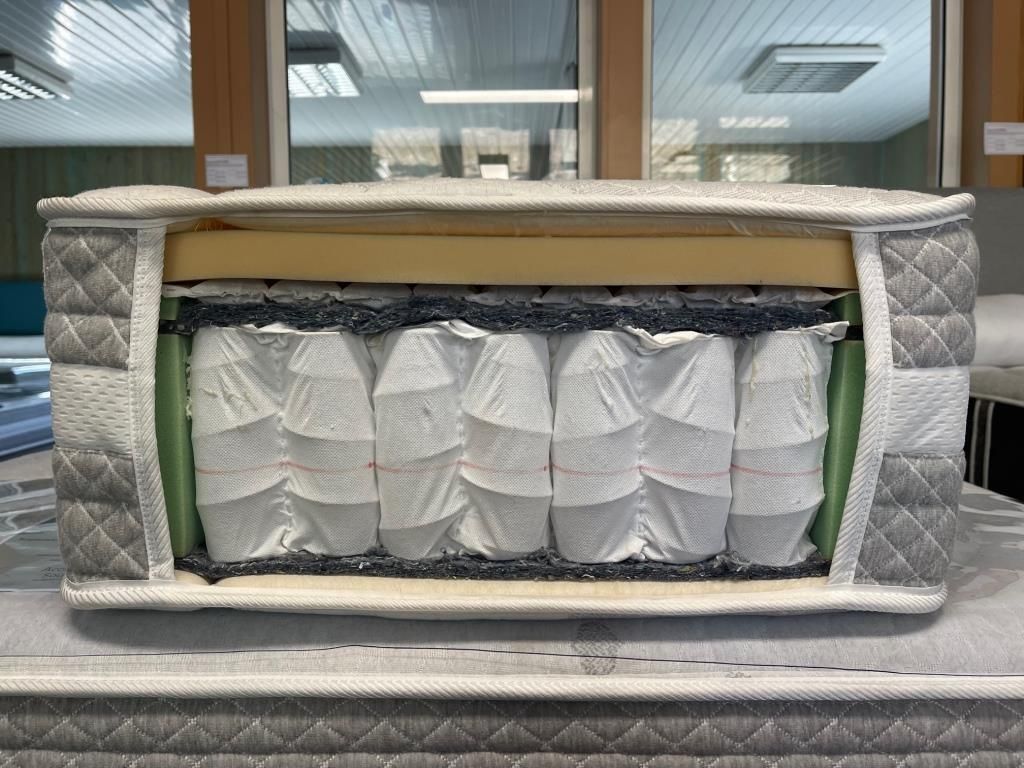
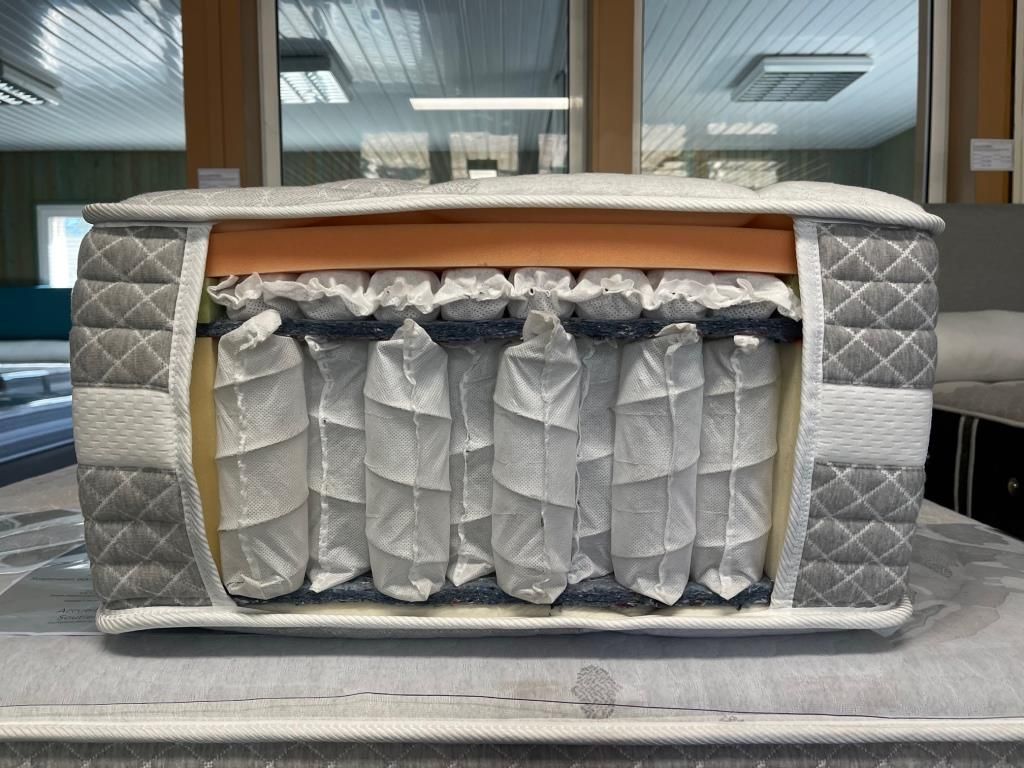
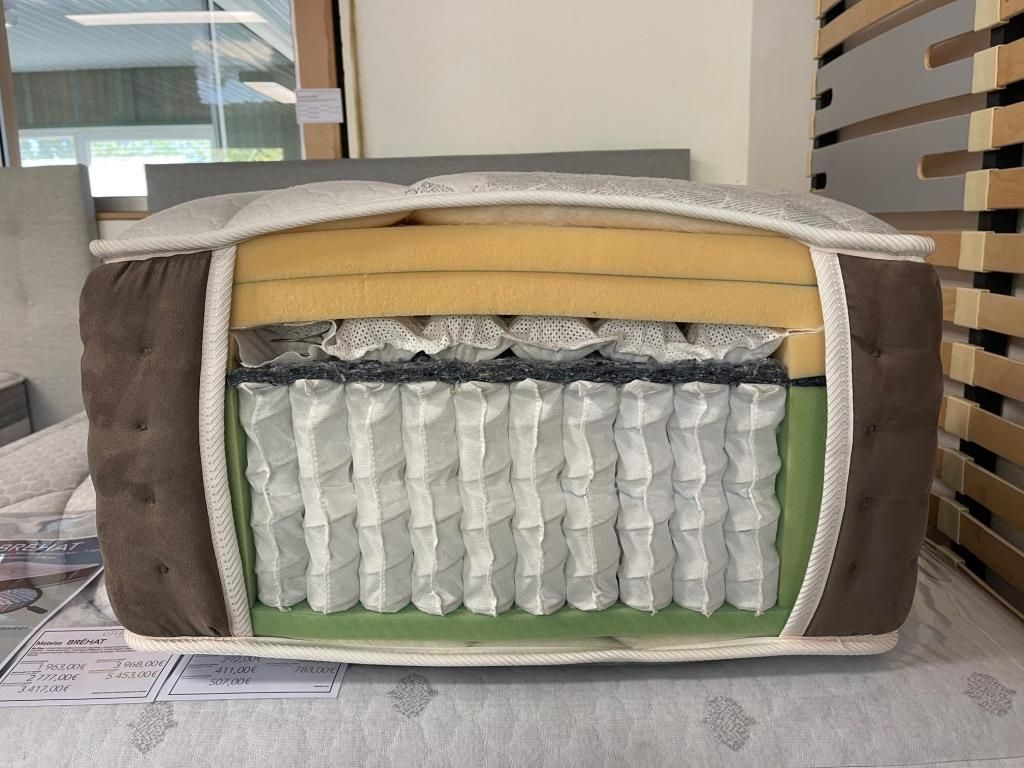
Clearly identified materials in our mattresses
We provide a detailed list of the materials used in our mattresses; in order to be as specific as possible.
How to care for your mattress
The foundations of bedding that lasts
* The mattress must be placed on a bed base and not on the floor.
An unnatural sagging of the mattress core will occur in the short term if it is placed directly on the floor, as the mattress support will not be optimal. Furthermore, the sleeper's perspiration will not be properly wicked away because natural ventilation will be lacking; condensation will accumulate on the unventilated part of the mattress, which will very quickly lead to mold growth and further sagging of the core.
* The mattress must rest on a fixed slatted bed base
This type of bed base provides ideal support and lifespan for the mattress.
* The bed base must be purchased at the same time as the mattress.
The mattress can, however, be placed on a modern bed base that is compatible with the mattress technology. A pocket spring mattress should not be placed on a slatted bed base. The space between the slats does not allow for optimal support of the spring system.
If you have a flexible slatted bed base or a metal frame, remember to turn it over every other month to allow the slats to maintain their long-term flexibility.
Avoid sleeping on the central bar, as this will cause premature damage and
definitely the core of the mattress. Also check that your frame is not twisted, that it rests correctly in the bed frame and that it has a central leg to prevent premature twisting/sagging of the frame.
Choose unparalleled sleeping comfort with our products
Contact our bedding factory for more information
Discover the other services offered by your bedding specialist
Bed frames
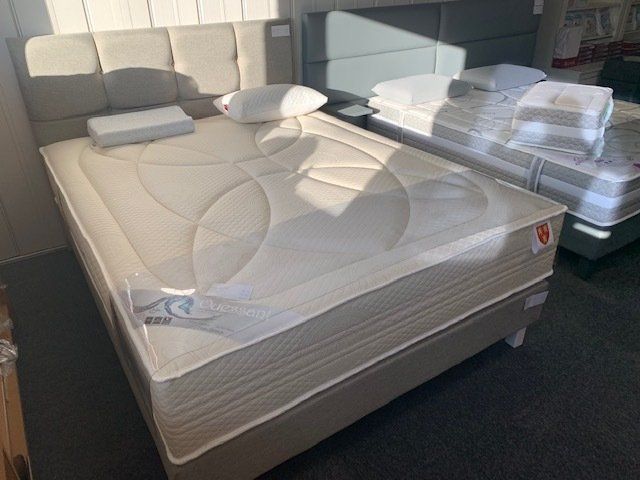
I choose my bed base